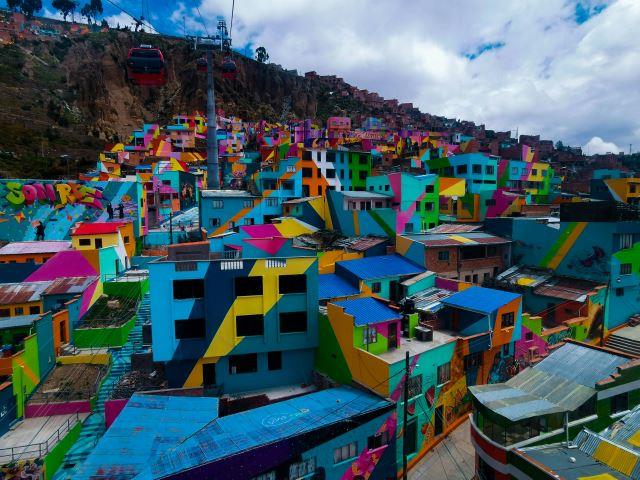
South America | Bolivia | Eduardo Avaroa Andean Fauna National Reserve

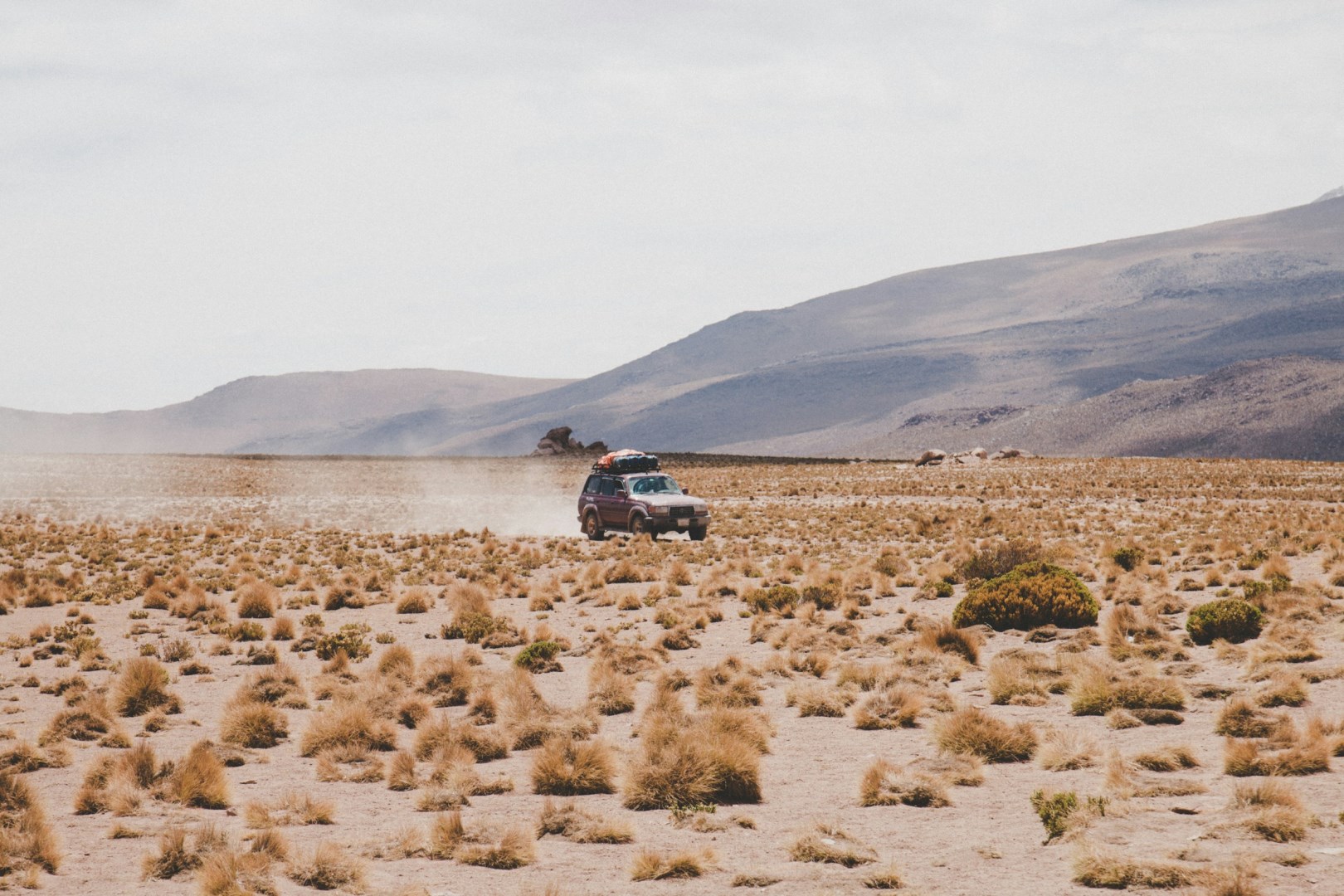
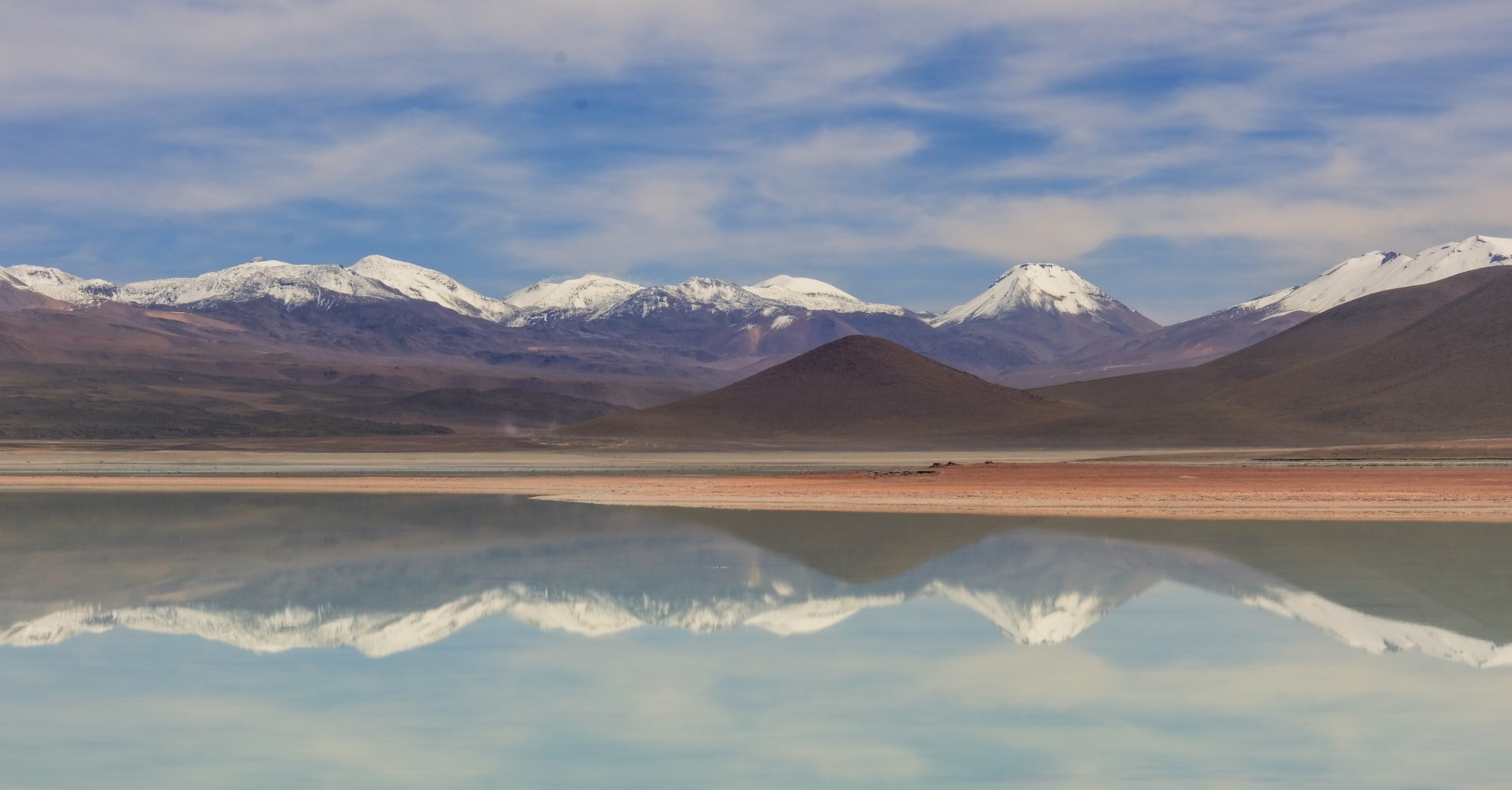
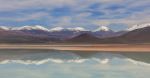
Eduardo Avaroa Andean Fauna National Reserve is a vast protected area in southwestern Bolivia, close to the borders with Chile and Argentina. It covers a high-altitude landscape of volcanic mountains, deserts, salt flats, geothermal fields, and mineral-rich lagoons. The reserve forms part of the southern Altiplano and is one of Bolivia’s most distinctive protected areas. Its remote location and extreme environment support plants and animals adapted to cold temperatures, strong winds, intense sunlight, and limited water, while the surrounding volcanic peaks provide a dramatic backdrop across the plateau.
The reserve is named after Eduardo Avaroa, a Bolivian national figure, while its natural heritage is central to its identity. The wider region is inhabited by Aymara and Quechua communities whose livelihoods include llama and alpaca herding and the use of highland pastures. Traditional knowledge remains important for adapting to the demanding environment, while archaeological and cultural sites occur across the southern Altiplano. Local communities also play a role in tourism services, including guiding, transportation, and accommodation near some of the reserve’s principal attractions.
Among the reserve’s best-known landscapes are Laguna Colorada, whose shallow waters can appear red because of algae and mineral sediments, and Laguna Verde, a striking green lake beneath the Licancabur Volcano. Sol de Mañana contains geothermal activity, with fumaroles, mud pools, and volcanic gases emerging from the ground. The reserve also includes Salvador Dalí Desert, a high-altitude area characterized by isolated rock formations surrounded by sandy terrain. These sites are connected by rough roads crossing some of the most remote sections of Bolivia’s Altiplano.
Wildlife is one of the reserve’s defining features, with several species of flamingo gathering around its high-altitude lagoons. James’s flamingos, Andean flamingos, and Chilean flamingos can be observed in the wetlands, while vicuñas, vizcachas, and Andean foxes inhabit the surrounding terrain. Vegetation is sparse but includes hardy grasses, shrubs, and cushion plants adapted to the cold, dry conditions. The reserve’s extreme elevation and volcanic environment also influence local food traditions, which rely on quinoa, potatoes, chuño, llama meat, and other products suited to highland agriculture and pastoralism.
Other Popular Destinations in Bolivia