SHARPE TRAVEL GROUP

  • Home
  • Cruises
    • River Cruises
  • Vacations
    • Disney
      • Walt Disney World Resort
      • Disneyland Resort
      • Disney Cruises
      • Aulani Resort
      • Adventures By Disney
    • All-Inclusives
    • Close to Home
    • Destination Weddings
    • ALEXANDER+ROBERTS
  • Groups
    • 2027 Murder Mystery Cruise
  • Destinations
  • Resources
  • About
  • Contact
  • Terms & Conditions
  • Home
  • Cruises
    • River Cruises
  • Vacations
    • Disney
      • Walt Disney World Resort
      • Disneyland Resort
      • Disney Cruises
      • Aulani Resort
      • Adventures By Disney
    • All-Inclusives
    • Close to Home
    • Destination Weddings
    • ALEXANDER+ROBERTS
  • Groups
    • 2027 Murder Mystery Cruise
  • Destinations
  • Resources
  • About
  • Contact
  • Terms & Conditions

South America  |  Bolivia  |  Altiplano

Slideshow Placeholder
 Photo Credit: Photo by Hugo Kruip on Unsplash
Photo Credit: Photo by Hugo Kruip on Unsplash
 Photo Credit: Photo by Hugo Kruip on Unsplash
 Photo Credit: Photo by Matheus Oliveira on Unsplash
Photo Credit: Photo by Matheus Oliveira on Unsplash
 Photo Credit: Photo by Matheus Oliveira on Unsplash
 Photo Credit: Photo by Matheus Oliveira on Unsplash
Photo Credit: Photo by Matheus Oliveira on Unsplash
 Photo Credit: Photo by Matheus Oliveira on Unsplash

The Bolivian Altiplano is a vast high plateau in the Andes, stretching across much of western Bolivia between the country’s major mountain ranges. Its high elevation creates a cool, dry environment with broad open plains, rugged peaks, volcanoes, and sparse grasslands. La Paz and El Alto occupy the northern part of the plateau, while Oruro, Uyuni, and Potosí are among its other important settlements. The region’s landscape changes from greener areas around Lake Titicaca to increasingly dry terrain farther south, where salt flats and volcanic landscapes dominate.

The Altiplano has a strong Aymara and Quechua cultural identity, with farming, herding, weaving, and community traditions remaining important throughout the region. Lake Titicaca and its islands are closely associated with Andean cultural history, while Tiwanaku, near the lake, preserves the remains of a major pre-Columbian civilization. Rural communities continue to raise llamas and alpacas and cultivate crops suited to high elevations, including potatoes and quinoa. Traditional textiles, music, dance, and religious celebrations also form an important part of cultural life across the plateau.

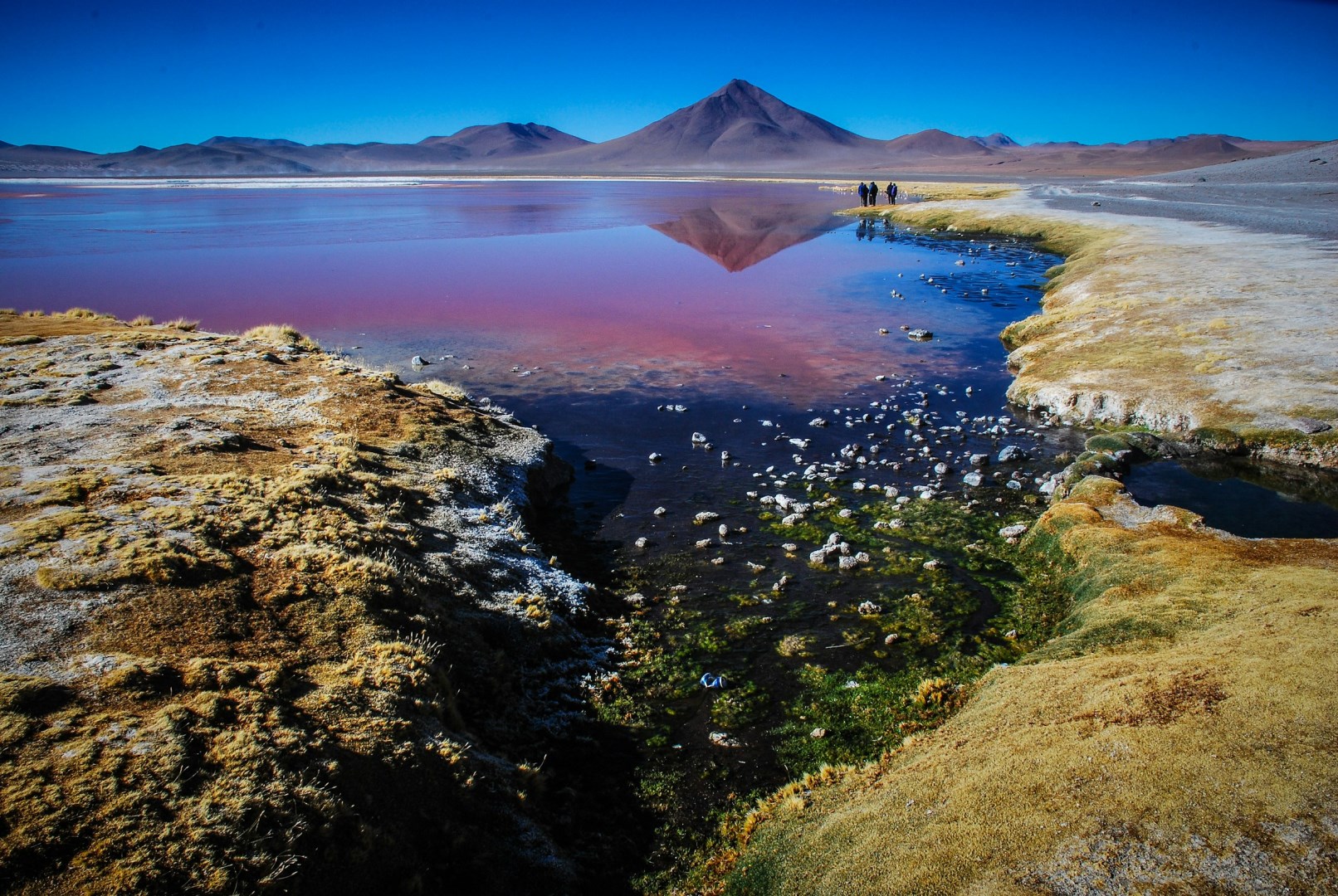
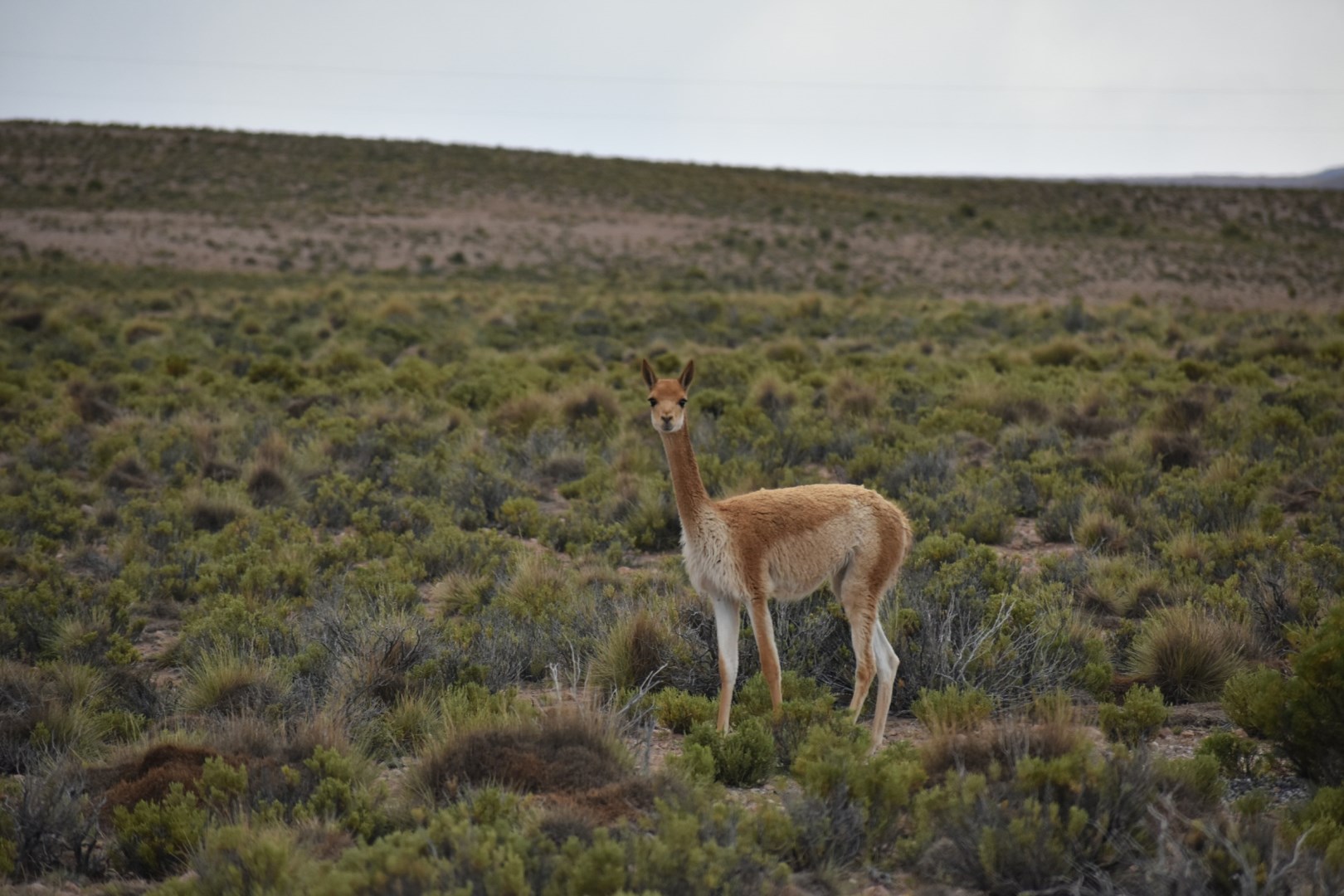
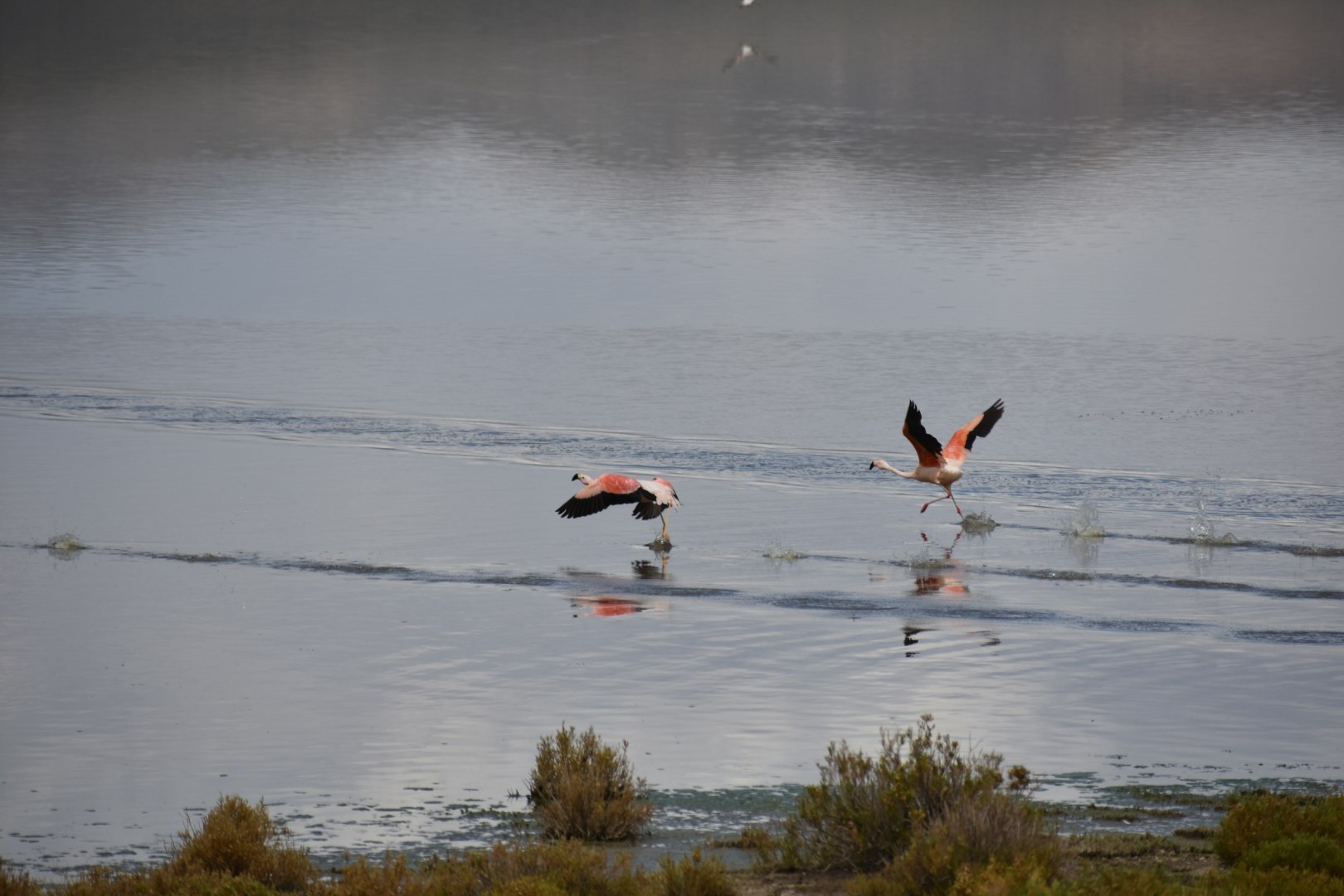
The region contains some of Bolivia’s best-known landscapes. Lake Titicaca lies at the northern edge of the Altiplano, backed by the snow-covered peaks of the Cordillera Real. Farther south, the Salar de Uyuni forms an enormous salt plain covering more than 10,000 square kilometers, while the Eduardo Avaroa National Reserve contains colorful lagoons, volcanic peaks, geysers, and desert terrain. Sajama National Park protects Bolivia’s highest mountain, Nevado Sajama, along with hot springs, geysers, and extensive highland plains. These environments support vicuñas, flamingos, llamas, and other species adapted to the high plateau.

Food on the Bolivian Altiplano reflects high-altitude agriculture and pastoral traditions. Potatoes, quinoa, chuño, corn, and grains are important ingredients, while llama meat is used in dishes such as stews, grilled preparations, and charqui. Quinoa has particular importance in the highlands, where it has long been cultivated in different varieties. Markets in towns such as Oruro and Uyuni offer local produce, breads, dried foods, and handmade textiles. The combination of high mountain scenery, salt flats, Indigenous traditions, and distinctive highland cuisine gives the Bolivian Altiplano a character that differs sharply from the country's tropical lowlands.

Other Popular Destinations in Bolivia

Lake Titicaca
Lake Titicaca
Lake Titicaca, perched at over 3,800 meters above sea level, is the highest navigable lake in the world and a place where ancient stories still echo across the water. Shared by Bolivia and Peru, this lake has long been considered sacred by the Andean peoples. According to Inca legend, it was from Titicaca’s deep blue waters that the first humans were created. Today, the lake remains a center of cultural tradition, spiritual significance, and daily life for many who live along its shores.
South America  /  Bolivia
La Paz
La Paz
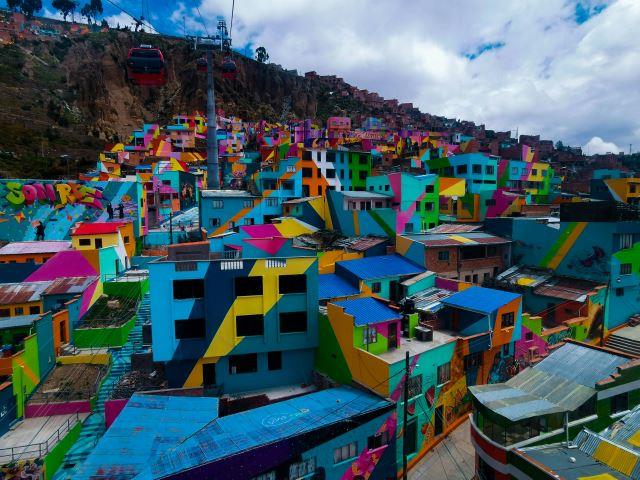
La Paz, Bolivia’s seat of government, is one of the world’s highest capital cities, dramatically set in a deep canyon carved by the Choqueyapu River. Founded in 1548 atop an important Indigenous settlement, the city has long been a crossroads of Andean cultures, colonial history, and modern political life.
South America  /  Bolivia
View More Bolivia Destinations
Placeholder


Placeholder


STG Logo

✉:
✆: 833-474-2773


Copyright @ 2026 Sharpe Travel Group
Seller of Travel ID: Florida ST37113 | Hawaii TAR 7231 | Washington UBI # 602 775 122 | California 2089491-50
Registration as a seller of travel in California does not constitute the state's approval. Agent is not a participant in the Travel Consumer Restitution Fund