South America | Brazil | Ilhabela

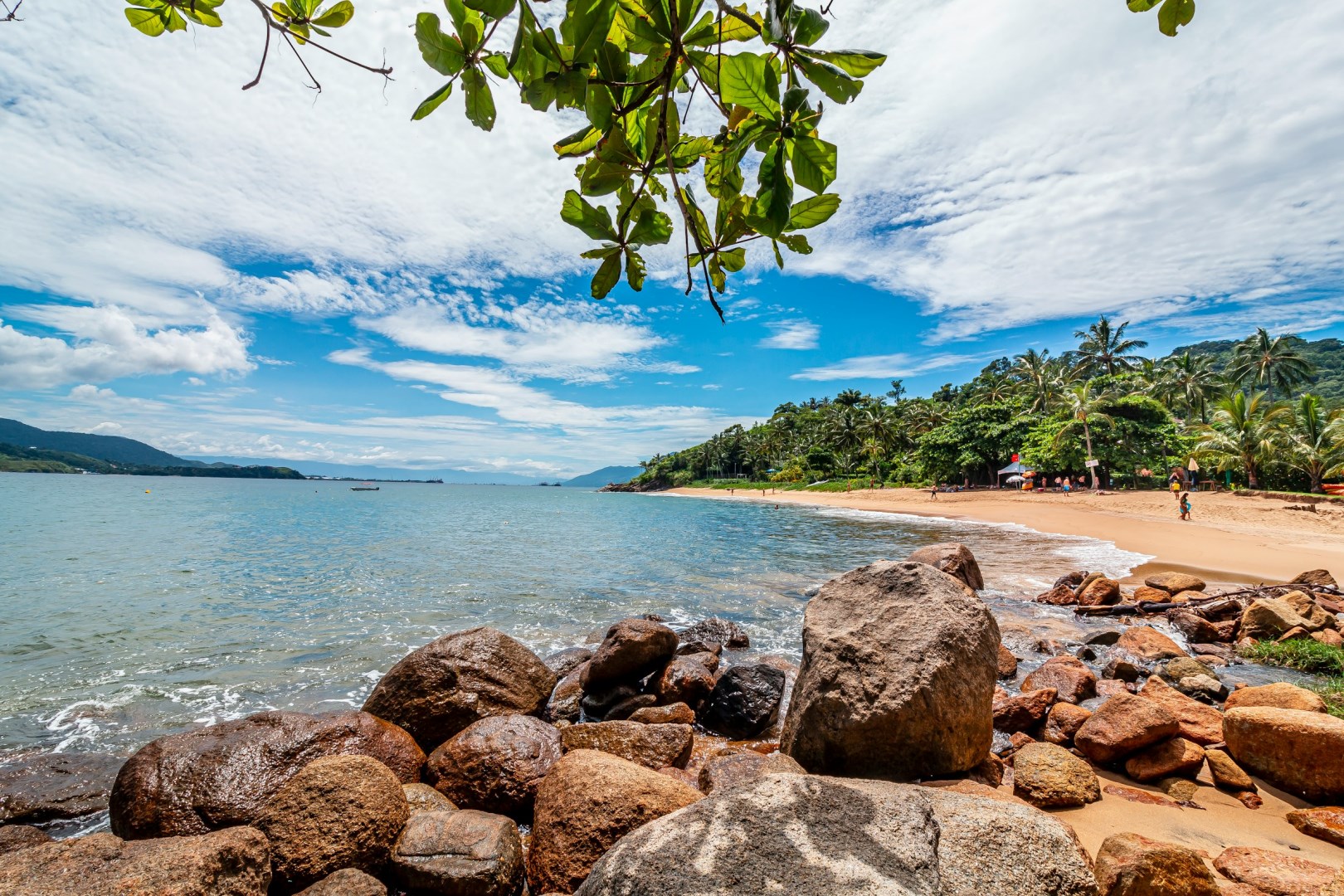

Ilhabela is an archipelago municipality on the northern coast of São Paulo, separated from the mainland by the São Sebastião Channel. Its main island combines a developed coastal area with extensive Atlantic Forest, while smaller islands and islets form part of the same municipality. The town is known for sailing, beaches, waterfalls, and maritime activities, and it holds the official title of National Capital of Sailing. Access to the island is by ferry from São Sebastião, giving Ilhabela a distinct relationship with the surrounding sea.
Ilhabela's cultural identity is closely connected to its caiçara communities, whose traditions developed around fishing, small-scale agriculture, boatbuilding, and life along the coast. The historic center, known as Vila, contains cobbled streets, the Church of Nossa Senhora D'Ajuda e Bom Sucesso, and the Museu Náutico, which presents objects and information related to the region's maritime history and shipwrecks. Traditional celebrations and local arts also reflect caiçara heritage, while the Centro Cultural Waldemar Belisário hosts exhibitions and events connected to the island's history, art, and local traditions.
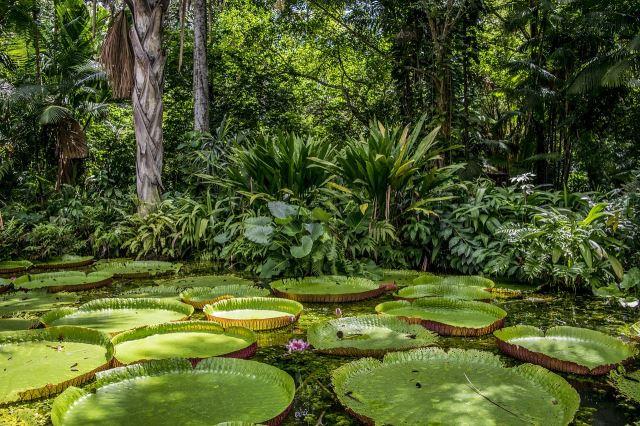
The Parque Estadual de Ilhabela protects a large portion of the municipality and contains dense Atlantic Forest, mountain peaks, streams, waterfalls, and trails. More than 40 beaches are found around the islands, with some reached easily from the coastal road and others requiring a boat, hiking trail, or four-wheel-drive vehicle. Praia de Castelhanos and Praia do Bonete are among the best-known remote beaches. The surrounding waters are also associated with diving sites, marine life, and numerous shipwrecks, while the Ilha das Cabras is a recognized area for underwater activities.
Caiçara cooking remains an important part of Ilhabela's local identity, with seafood and ingredients from the surrounding coast featuring prominently in traditional dishes. One local specialty is azul-marinho, prepared with fresh fish and green banana in a richly seasoned broth. Other traditional foods include moqueca de peixe, caldeirada, cozido caiçara, and café caiçara, which is traditionally served with sugarcane juice. A lesser-known feature of the island is the presence of the borrachudo, a small biting insect associated with the area's many streams and waterfalls, particularly in forested areas.
Other Popular Destinations in Brazil